
Silicone Rubber Kneader Machine
Sigma Kneaders for HTV Silicone Rubber Compounding
High-temperature vulcanisation (HTV) silicone rubber is produced by compounding a high-molecular-weight polydimethylsiloxane base polymer with reinforcing fillers, processing aids and vulcanising agents. The sigma kneader — also known as a sigma blade mixer or kneader mixer — is the industry-standard equipment for this process. Its counter-rotating Z-shaped blades generate the intense shear, compression and folding action required to achieve complete fumed silica dispersion and uniform compound quality within a sealed, temperature-controlled mixing chamber.
Why Silicone Rubber Compounding Requires a Kneader
Silicone rubber base polymer (polydimethylsiloxane, PDMS) is an extremely high-viscosity material — far beyond the capability of conventional paddle mixers or dispersers. Its molecular weight can reach 600,000–800,000 g/mol, giving it an elastic, dough-like consistency that demands the multi-directional shearing and kneading action of a sigma blade mixer. At the same time, the fumed silica reinforcing filler — which may constitute 20–40 phr (parts per hundred rubber) of the compound — has a specific surface area of 150–400 m²/g and a strong tendency to agglomerate, requiring intense and sustained mechanical energy to fully wet out and disperse into the polymer matrix.
Three process requirements define equipment selection for silicone rubber compounding: high-torque mixing capability for the base polymer, precise temperature control to prevent premature vulcanisation (scorch), and vacuum degassing capability to remove air entrapped during fumed silica incorporation. LRMIX sigma kneaders address all three requirements in a single machine.
Silicone Rubber Products Made Using Sigma Kneaders
Standard Silicone Rubber Compounding Process
Correct sequence and temperature management at each stage of compounding directly determines the quality and consistency of the finished silicone rubber compound. The following process is standard for HTV silicone rubber production using a sigma kneader:
Peroxide vulcanising agents such as DCP (dicumyl peroxide) begin thermal decomposition above 60°C and activate rapidly above 100°C. In a kneader without adequate cooling, frictional heat from fumed silica incorporation can push compound temperature above this threshold before the vulcanising agent is even added. A cooling water jacket that actively controls compound temperature throughout the entire mixing cycle is not optional for silicone rubber production — it is essential.
Which Sigma Kneader Configuration Is Right for Your Production?
| Configuration | Key Features | Best Suited For |
|---|---|---|
| Standard Hydraulic Tilt Kneader | Cooling jacket, hydraulic 130° tilt discharge, ZLY hard-tooth reducer | General HTV silicone rubber compounding, industrial seals, tubing, colour masterbatch |
| Vacuum Hydraulic Tilt Kneader | All of the above + vacuum system ≥ –0.09 MPa | Medical-grade silicone, food-contact products, thermal interface materials — bubble-free compound required |
| Screw Extrusion Kneader | Integrated screw extruder discharges compound continuously as strip or pellet | High-volume production, feeding downstream calenders or extruders directly — eliminates manual discharge step |
LRMIX Sigma Kneaders for Silicone Rubber
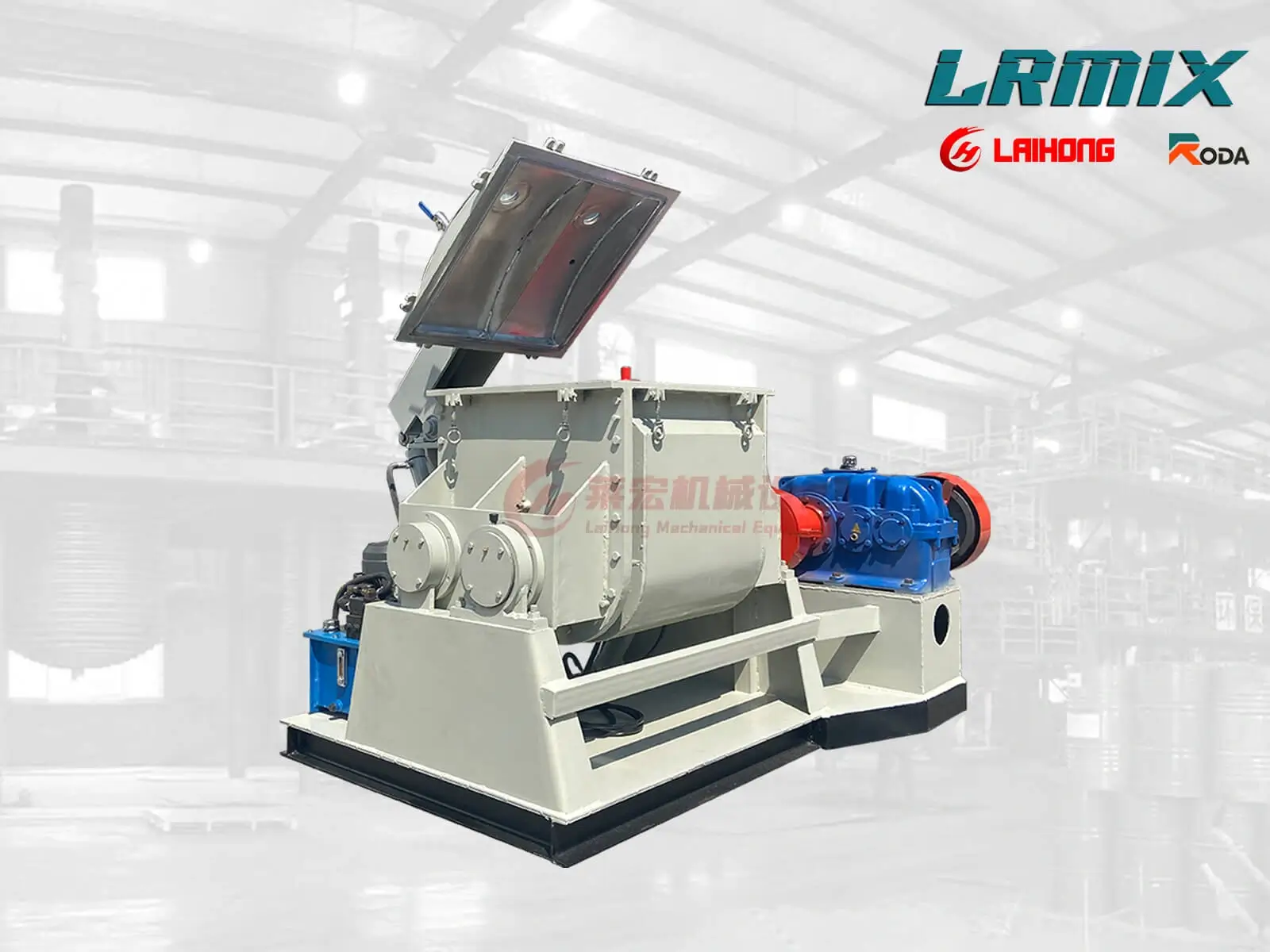
Hydraulic Tilt Sigma Kneader
Heavy-duty sigma kneader with hydraulic 130° tilt discharge and cooling water jacket. ZLY hard-tooth gear reducer for sustained high-torque operation in silicone rubber compounding.
- Hydraulic tilt discharge — 3-minute discharge cycle
- Cooling water jacket — temperature control throughout
- ZLY hard-tooth reducer — HRC 58–62 gear surface
- Vacuum option available
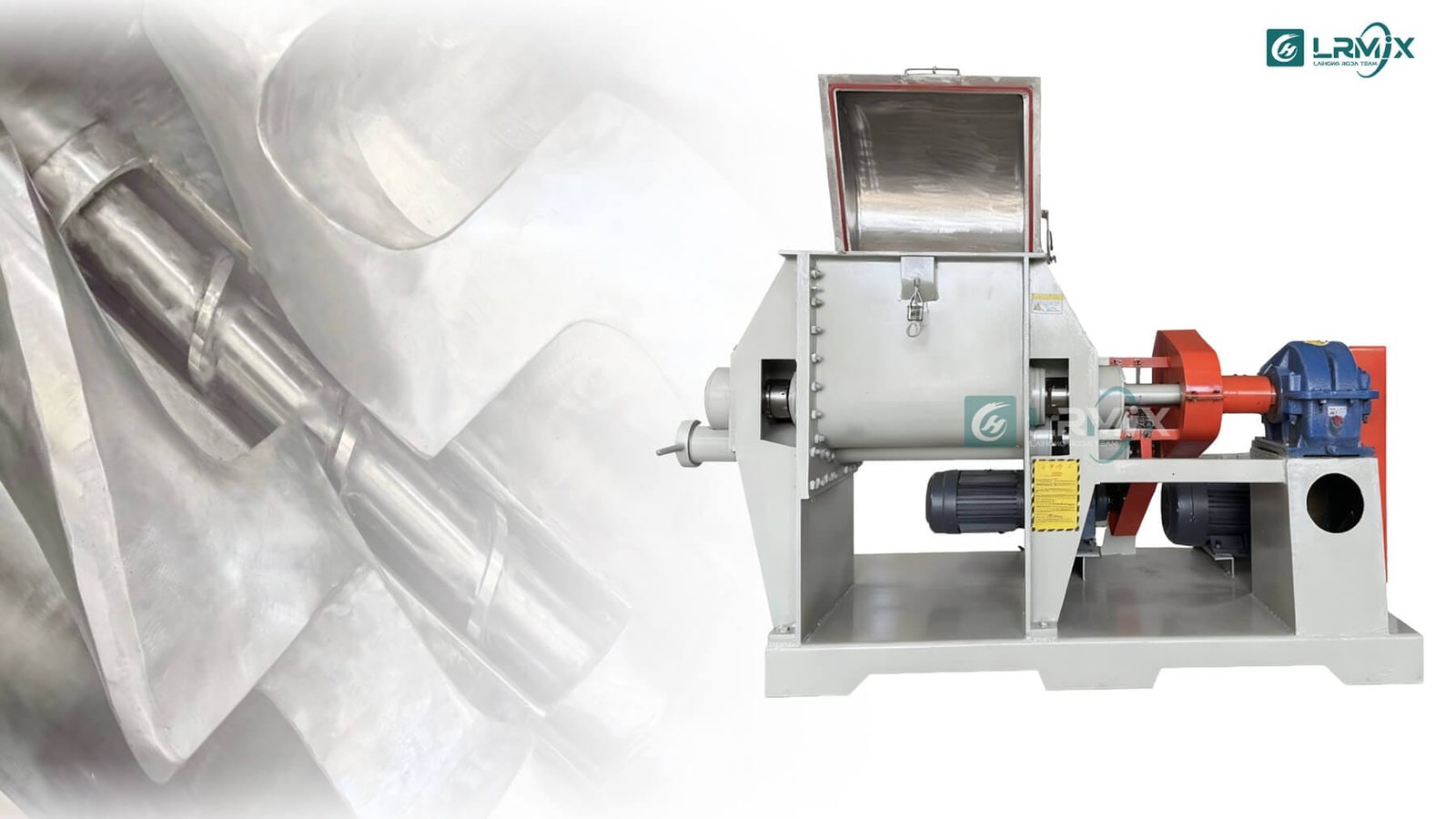
100L Screw Extrusion Kneader
Sigma kneader with integrated screw extruder for continuous strip or pellet discharge. Eliminates manual discharge and feeds downstream processing equipment directly.
- Screw extrusion discharge — continuous output
- Suitable for high-volume silicone compound production
- Cooling jacket as standard
- Reduces labour and batch-to-batch handling time
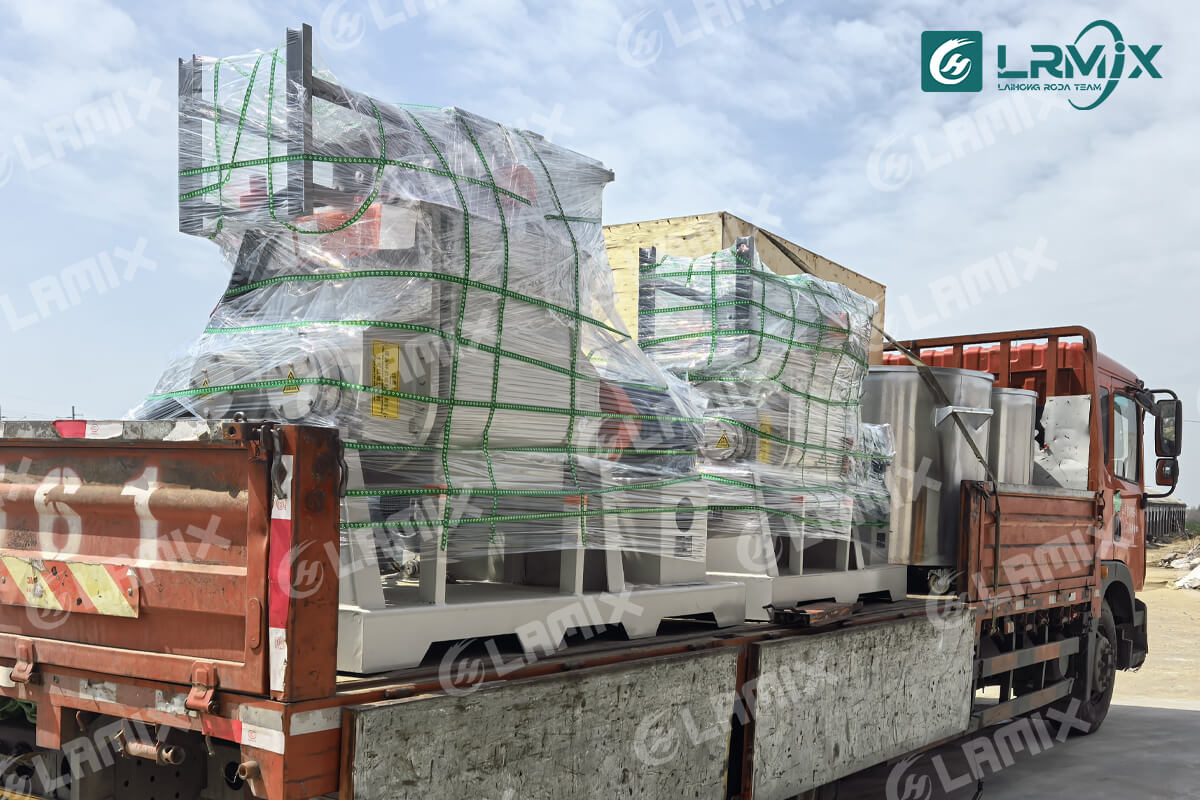
LRMIX Sigma Kneader Range
Full sigma kneader range from 5L laboratory to 3,000L production capacity. Standard tilt, screw discharge, vacuum, heating and explosion-proof configurations available.
- 5L to 3,000L — lab to full production scale
- Multiple discharge options
- Heating / cooling / vacuum configurations
- SS304 or carbon steel wetted parts
Why Silicone Rubber Manufacturers Choose LRMIX
Need a Sigma Kneader for Silicone Rubber Compounding?
Tell us your batch size, vacuum requirement and discharge preference.
LRMIX will configure the right kneader for your production — factory direct.